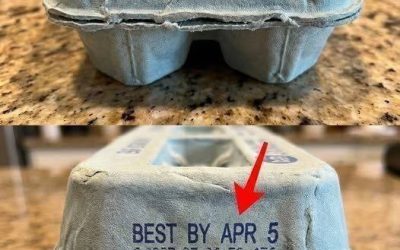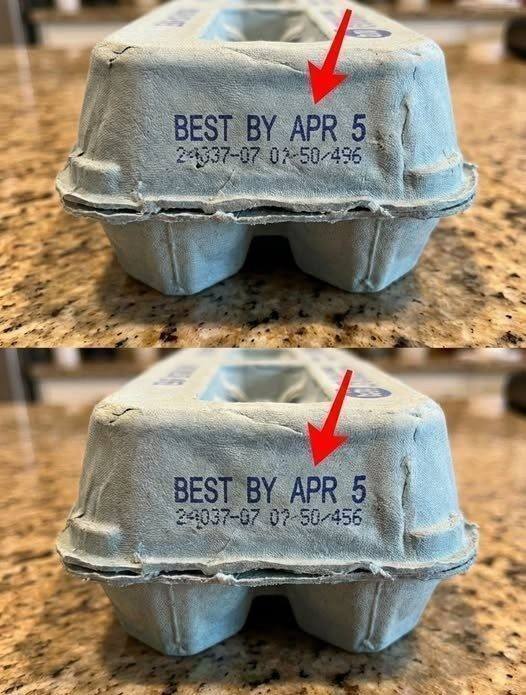
The Plant Code
Near the Julian date, you may also see a code starting with “P” followed by four numbers.
This is known as the plant code.
The plant code identifies the facility where the eggs were processed and packaged.
This code becomes especially important if there is a food safety recall. Consumers can check the plant code to determine whether their eggs were processed at the affected facility.
Why These Codes Matter
Understanding egg carton codes helps you make more informed shopping decisions.
Eggs typically remain fresh for about four to five weeks after packaging. However, regulations in some countries allow eggs to be sold for up to 30 days after packaging.
This means that even if the carton is within the sell-by date, the eggs may already be several weeks old.
Tips for choosing fresher eggs
Look for cartons with the highest Julian date number. Higher numbers indicate more recently packaged eggs.
Compare the Julian date with the sell-by date. The closer they are, the fresher the eggs.
Buy eggs within a few days of packaging whenever possible.
What Happens as Eggs Age?
Eggs don’t instantly spoil after their expiration date, but their quality gradually declines.
As eggs get older:
They lose moisture and carbon dioxide
The egg whites become thinner
The yolks become more fragile
Older eggs may still be safe to eat, but fresh eggs taste better and perform better in cooking and baking—especially for dishes like omelets, poached eggs, or meringues.
How to Store Eggs Properly
After choosing fresh eggs, proper storage helps maintain their quality.
Follow these tips:
Keep eggs in their original carton to prevent odor absorption.
Store them in the coldest part of the refrigerator, not in the door where temperatures fluctuate.
Use eggs within three to five weeks of purchase for the best taste and texture.
How to Tell If an Egg Is Bad
If you’re unsure whether an egg is still fresh, you can try these simple tests.
The Float Test
Fill a bowl with water and gently place the egg inside.
Fresh eggs sink and lie flat at the bottom.
Slightly older eggs stand upright but remain submerged.
Bad eggs float, because air has built up inside the shell.
The Crack Test
Crack the egg into a separate bowl.
Fresh eggs have firm yolks and thick whites.
Older eggs have flatter yolks and runnier whites.
If the egg smells unpleasant or looks unusual, it’s best to throw it away.
Tips for Buying the Freshest Eggs
Food safety experts recommend the following:
Buy eggs from refrigerated displays.
Check the carton for cracks or dirt.
Look for official quality grading labels when available.
Purchase only the amount you plan to use rather than stocking up.
Ideas for Using Eggs Before They Expire
If you find yourself with eggs nearing their expiration date, try using them in these delicious dishes:
Quiche – A savory, cheesy dish perfect for brunch
Shakshuka – Eggs poached in a flavorful tomato sauce
Homemade pasta – Rich and fresh with plenty of eggs
Breakfast burritos – Scrambled eggs with vegetables and cheese
Pound cake – Dense, buttery dessert
Crème brûlée – A classic custard topped with caramelized sugar
French toast – Perfect for slightly older eggs
Soufflé – Light and airy baked dish
Egg muffins – Great for meal-prep breakfasts
Final Though
Read more on the next page