2. Wash Bedding Weekly in Hot Water
Persistent nasal congestion or asthma-like flares can make everyday activities feel exhausting, especially when they’re tied to something as basic as your sheets.
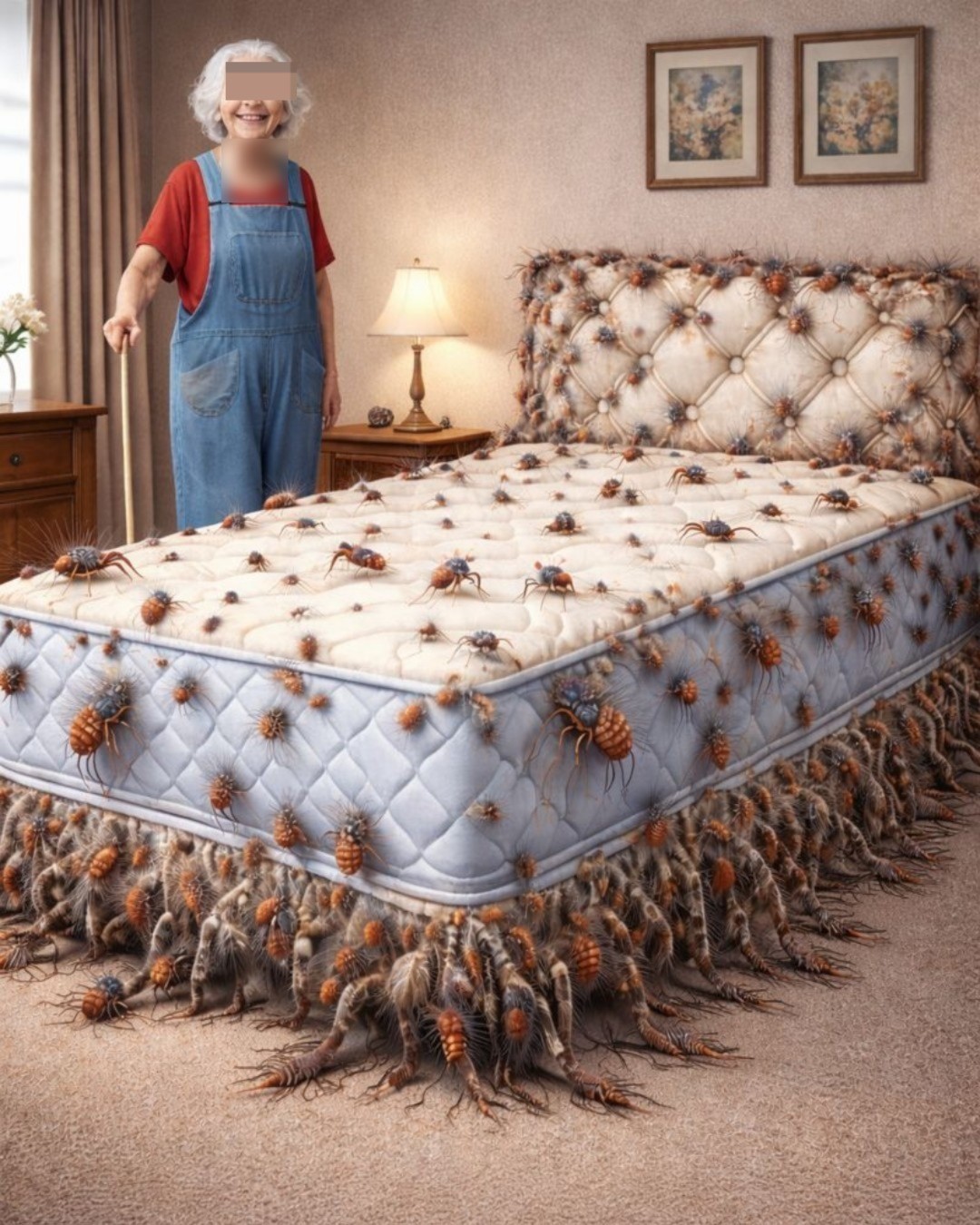
Washing sheets, pillowcases, blankets, and duvet covers in hot water—at least 130°F (54°C)—can kill dust mites and wash away their allergens effectively.
According to the Mayo Clinic, this temperature threshold is key, with studies showing it significantly reduces mite populations when done consistently.
If your washer doesn’t reach that heat, tumble dry items on high for at least 15 minutes afterward. Can’t use hot water? Freezing non-washables for 24 hours can kill mites too (though it won’t remove allergens).
Sticking to a weekly routine might finally break that emotional weight of ongoing discomfort.
But that’s not all—combining this with the next step amplifies the benefits.
3. Vacuum Your Mattress Regularly with a HEPA Filter
Surface allergens and dead skin flakes accumulate quickly, fueling more reactions and disrupting your sleep even further.
Vacuuming your mattress with a HEPA-filter vacuum captures fine particles and removes some allergens, though it won’t reach mites buried deep inside.
Research indicates that regular vacuuming, when paired with other strategies like encasements, supports better overall control of dust mite allergens.
Aim for monthly vacuuming—or more often if symptoms are severe. Use the upholstery attachment and go slowly for thorough coverage.
This proactive habit addresses that nagging irritation head-on.
Here’s the interesting part: controlling the air itself can make an even bigger difference.
4. Control Humidity Levels in Your Bedroom
High humidity creates the perfect breeding ground for dust mites, leading to flare-ups that steal your restful nights.
Keeping relative humidity below 50% dehydrates dust mites, limiting their ability to thrive and reproduce.
The American Lung Association and multiple studies recommend this level as a practical target for reducing mite survival.
Invest in a dehumidifier if needed, and use a hygrometer (an inexpensive tool) to monitor levels daily.
Lower humidity often brings quicker relief from those humid-weather worsenings.
5. Air Out Bedding and Expose to Sunlight When Possible
Trapped moisture in fabrics encourages mite growth, perpetuating fatigue from poor sleep.
Hanging bedding outside in fresh air and direct sunlight can dry it thoroughly and create unfavorable conditions for mites.
Observational studies suggest that sunlight’s drying effect and UV rays may help reduce mites, especially when combined with airing out.
Do this on sunny, low-pollen days to avoid new triggers. Shake items well afterward.
This natural method complements your other efforts beautifully.
6. Steam Clean Upholstery and Carpets Periodically
Allergens in nearby fabrics can easily transfer to your bed, prolonging symptoms despite your best intentions.
High-temperature steam cleaning penetrates fabrics and can kill dust mites on contact.
Experts, including those cited by WebMD, note that steam’s heat is effective for deeper cleaning in carpets and furniture.
Rent a steamer or use a home unit twice a year. Follow up with vacuuming to remove residues.
It’s a satisfying deep clean that targets built-up irritants.
7. Minimize Dust Collectors in the Bedroom
Extra pillows, stuffed animals, or clutter provide hiding spots for mites, increasing exposure during your most vulnerable hours.
Simplifying your space reduces overall allergen load significantly.
Allergy guidelines recommend washable toys only, hard flooring over carpet when possible, and storing items elsewhere.
Start small: remove one or two items at a time.
Fewer collectors mean fewer interruptions to your comfort.
Read more on the next page