3. Can an Earwig Actually Pinch You—and How Bad Would It Hurt?
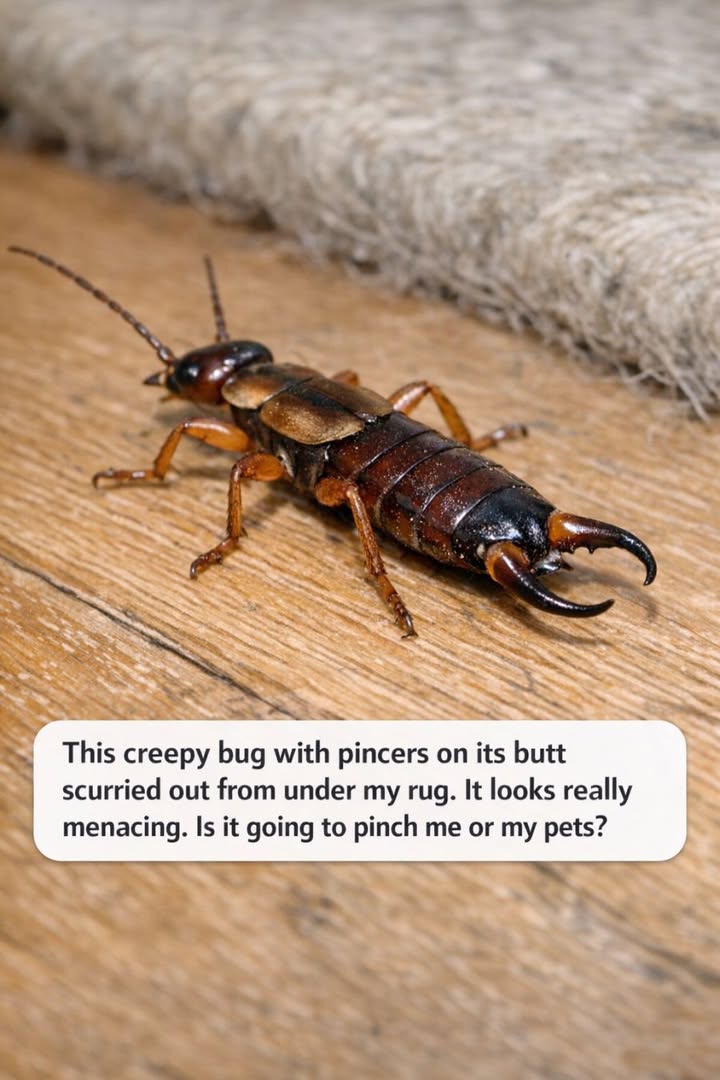
Yes, an earwig can pinch you with its cerci, but this occurs rarely and usually only when the insect feels threatened or is handled. The pinch of an earwig is not dangerous and is typically described as mildly uncomfortable rather than painful. The cerci are not strong enough to break human skin, and any sensation caused by a pinch is fleeting.
In most cases, earwigs prefer to flee rather than fight. If you encounter one, it’s best to gently usher it outside or leave it alone, as it will likely find its way out on its own. The myth that earwigs crawl into people’s ears and bore into their brains is entirely unfounded and likely arose from the insect’s name.
4. Are Earwigs Dangerous to Dogs, Cats, or Other Pets?
Earwigs do not pose a significant threat to pets such as dogs and cats. While a curious pet might investigate an earwig, the insect is unlikely to cause harm. The pincers are not strong enough to injure a pet, and earwigs do not carry venom or known diseases that could affect animals.
If a pet were to eat an earwig, it would likely experience no more than a mild stomach upset, if any reaction at all. As with any insect, it’s best to discourage pets from consuming them, but there is no need for alarm if an earwig is found in the vicinity of your furry friends.
5. Do Earwigs Bite, Sting, or Spread Diseases?
Earwigs do not bite or sting humans or animals. Their primary means of defense is their pincers, which, as mentioned, are not capable of causing significant harm. Earwigs are not known to spread diseases to humans or pets, making them relatively harmless in this regard.
While earwigs can occasionally be a nuisance in gardens due to their feeding habits, indoors they pose no health risks. Their presence is more of an aesthetic concern than a functional one, as they do not damage structures or possessions within the home.
6. What Those Rear Pincers Are Really Used For
The pincers on an earwig’s rear serve multiple purposes. Primarily, they are used for defense against predators. When threatened, an earwig may lift its pincers in a threatening display to ward off attackers. In some species, the pincers are also used in mating rituals. Males with larger or more robust pincers may be more successful in attracting mates.
Additionally, earwigs use their pincers for practical purposes, such as manipulating food and assisting in folding their wings, although most earwigs are not strong fliers. The diversity in function showcases the evolutionary adaptability of these intriguing insects.
7. How to Tell an Earwig From Other Creepy Household Bugs
Earwigs can be distinguished from other household insects by their elongated bodies and the presence of pincers at the end of their abdomens. Unlike beetles, which have hardened forewings, earwigs have soft, leathery wings, though they are often hidden beneath a pair of short wing covers if present at all.
Another distinguishing feature is their segmented antennae, which are relatively long and thin compared to other insects. Earwigs are often confused with silverfish, another common household insect, but silverfish lack pincers and have a more uniform, silvery appearance.
8. Why Earwigs Sneak Into Homes (And Under Rugs)
Earwigs enter homes in search of food, moisture, and shelter. They are particularly drawn to damp environments, which is why you may find them in basements, bathrooms, or kitchens. The space under a rug provides a dark, protected area that mimics their natural hiding spots outdoors.
These insects typically enter through cracks, gaps, or open doors and windows. Once inside, they tend to remain close to sources of moisture. Reducing humidity and sealing entry points can help prevent earwigs from making themselves at home.
9. Simple Ways to Safely Get Rid of Earwigs Indoors
To remove earwigs from your home, start by reducing moisture levels and eliminating hiding places. Use a dehumidifier in damp areas and fix any leaks. Vacuum regularly, especially in corners and under furniture, to remove both earwigs and their potential food sources.
Traps can also be effective. Simple homemade traps, such as rolled-up newspapers or small containers with soapy water, can attract and capture earwigs. Once trapped, they can be disposed of outside. For larger infestations, consider using insecticidal sprays labeled for indoor use, ensuring they are safe for use around pets and children.
10. Pet-Safe Strategies to Keep Earwigs Out for Good
To prevent earwigs from entering your home, begin by sealing cracks and gaps in foundations, doors, and windows. Make sure that screens are intact and fit snugly. Additionally, keep vegetation and mulch away from the foundation of your home, as these can harbor moisture and attract earwigs.
Natural repellents, such as diatomaceous earth, can be sprinkled around potential entry points. This substance is safe for pets and creates a barrier that earwigs are reluctant to cross. Regular maintenance and vigilance can significantly reduce the likelihood of earwigs invading your home.
11. When, If Ever, You Should Call a Pest Professional About Earwigs
In most cases, earwigs do not require professional pest control intervention. However, if you experience a significant infestation or if earwigs persist despite your best efforts to eliminate them, it may be worthwhile to consult a professional. Pest control experts can assess the situation and provide targeted treatments that are effective and safe for your household.
Professional assistance is particularly beneficial if earwigs are causing damage to plants or if you suspect they are entering through structural vulnerabilities that need to be addressed. A pest control service can offer long-term solutions to prevent future infestations.
Read more on the next page