While the "string on door handle" theory is unproven, parking lots do present genuine safety concerns. Focus your awareness on these verified risks:
⚠️ Real Parking Lot Safety Risks (That Are Actually Common)
While the "string on door handle" theory is unproven, parking lots do present genuine safety concerns. Focus your awareness on these verified risks:
1. Distraction Theft
How it works: A perpetrator creates a commotion (dropping items, asking for help) to distract you while an accomplice steals your purse, phone, or even your car.
Prevention: Stay alert. Keep doors locked until you're ready to enter. Don't engage with strangers who approach your vehicle unexpectedly.
2. Carjacking
How it works: An individual confronts you at gunpoint or with force to steal your vehicle.
Prevention: Park in well-lit, busy areas. Have your keys ready before approaching your car. Trust your instincts—if something feels off, leave and seek help.
3. "Bump-and-Run" or "Swoop-and-Squat" Scams
How it works: Criminals deliberately cause minor collisions to distract you, then rob you or file fraudulent insurance claims.
Prevention: Maintain safe following distance. If involved in a suspicious collision, stay in your locked car and call 911 rather than exiting immediately.
4. Vehicle Tampering
How it works: Thieves attach tracking devices to your car, slash tires, or try to break in.
Prevention: Do a quick walk-around of your vehicle before entering. Check tires, undercarriage, and door handles for anything unusual.
🛡️ What to Do If You Find String or Wire on Your Car
If you notice something unusual on your door handle, stay calm and follow these steps:
✅ Do:
Pause and observe: Before touching anything, scan the area. Do you see anyone lingering nearby? Trust your instincts.
Document it: Take a photo with your phone (from a safe distance) in case you need to report it later.
Remove it carefully: Use a pen, key, or glove to avoid direct contact. Place it in a bag if you want to preserve it as evidence.
Check your vehicle: Look for other signs of tampering—scratches near the lock, unfamiliar devices under the bumper, or items placed near your tires.
Report if concerned: If you feel threatened or notice multiple suspicious signs, contact local police or security.
❌ Don't:
Panic or assume the worst without evidence.
Confront strangers who may be nearby.
Ignore your gut feeling—if something feels wrong, leave and seek help.
Share unverified warnings on social media without context, which can fuel unnecessary fear.
🌐 Why These Viral Warnings Spread (And Why That Matters)
Social media amplifies safety concerns quickly—and that's not always a bad thing. Awareness can empower people. But when unverified claims spread without context, they can:
Create anxiety about low-probability threats
Distract from more common, preventable risks
Lead to misidentification of innocent behaviors as suspicious
Critical thinking is your best defense. Ask:
Is this claim backed by law enforcement or credible sources?
Does this align with known criminal patterns?
What's the most likely, simplest explanation?
💡 Practical Parking Lot Safety Tips (That Actually Work)
Regardless of viral trends, these habits keep you safer every day:
Park Smart: Choose well-lit, high-traffic spots. Avoid isolated corners.
Have Keys Ready: Don't fumble at the door. Hold your keys before you leave the store.
Lock Doors Immediately: Enter and lock your car as soon as you sit down.
Stay Aware: Avoid scrolling on your phone while walking to or from your car.
Trust Your Instincts: If a person or situation feels off, walk away and seek help.
Share Your Location: Let a friend or family member know when you're parking alone, especially at night.
Consider a Personal Safety App: Apps like Noonlight or Circle of 6 can quickly alert contacts or authorities if you feel unsafe.
🧭 The Bottom Line
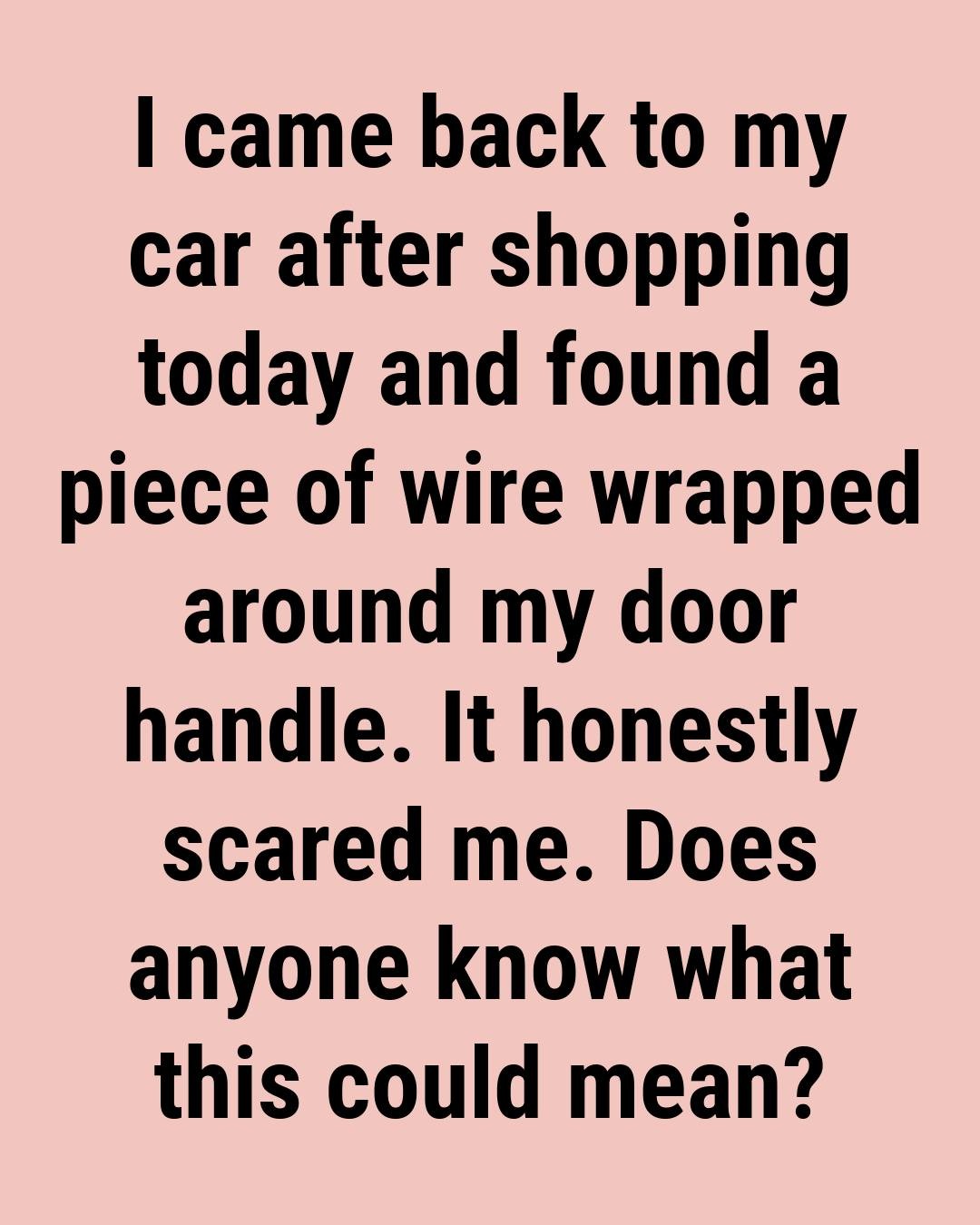
Finding string or wire on your car door handle is most likely a coincidence, prank, or leftover packaging—not a coordinated criminal signal. However, your caution is valid and wise.
Instead of fixating on unproven theories, focus on proven safety practices: situational awareness, smart parking habits, and trusting your instincts.
Viral warnings can spark important conversations about personal safety—but they shouldn't replace critical thinking or verified guidance. Stay alert, stay informed, and stay safe.
Have you ever found something unusual on your car? Did it change how you approach parking lot safety? Share your experiences and tips in the comments below.
Read more on the next page