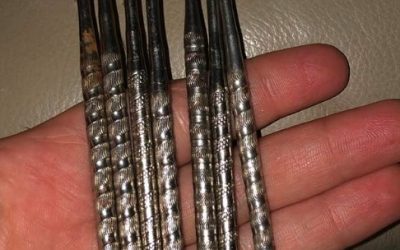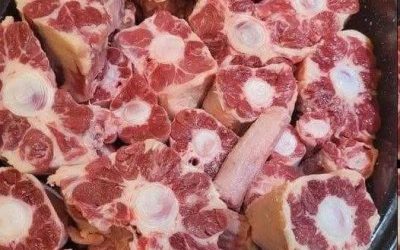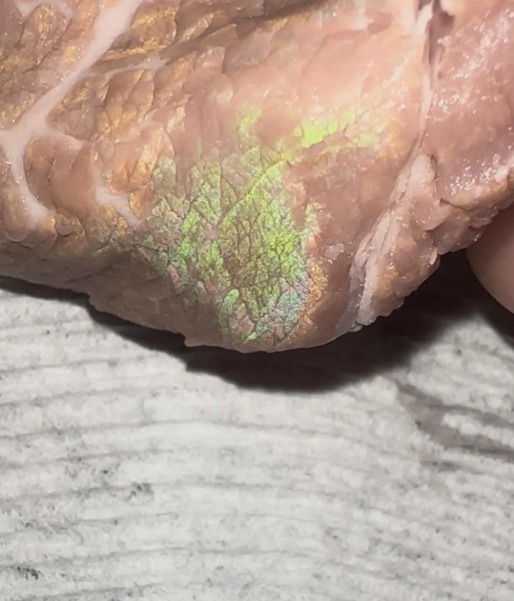
Now, imagine white light, like the kind from the sun or your kitchen lights, dancing off those grooves. This light gets reflected back at various angles, creating a spectrum of colors in a show-stopping display known as “diffraction grating.” And voila! You’ve got yourself a slice of meat that’s ready for its moment in the spotlight, dazzling you with its iridescent glow.
This rainbow effect is most likely to grace whole cuts of meat or solid muscle tissues with its presence. So, if you’re a fan of ground or restructured meats like sausage, you might miss out on this natural light show. And don’t worry if you’ve never noticed it on your turkey or chicken slices; the same magical process is happening, but the meat’s paleness makes it a bit of a party pooper, too shy to let those colors shine through.
source: iStock
But here’s the million-dollar question: is rainbow meat safe to eat? Absolutely, yes! This light-bending spectacle is all natural and doesn’t affect the meat’s safety or deliciousness one bit. So next time you spot a slice of deli meat showing off its colors, don’t hesitate to enjoy it.
Now, if you’re someone who prefers their meat without the extra color, there are ways to minimize the rainbow effect, though it’s more about aesthetics than anything else. Keeping your meat slices covered and avoiding direct light can help keep the meat’s appearance more traditional. But honestly, why not embrace the rainbow? It’s just another reason to love the complexity and beauty of food.
So, there you have it! The next time you witness your meat putting on a color show, remember, it’s just nature’s way of adding a little extra flair to your meal. Now, if you’ll excuse me, I’ve got a date with a technicolor sandwich that’s calling my name.
Read more on the next page