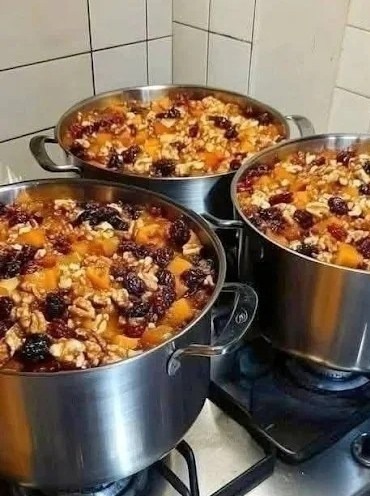
Some desserts satisfy the body, but others nourish the spirit. Capirotada belongs to the latter. This traditional Mexican bread pudding is more than just a sweet treat—it’s a dish steeped in history, symbolism, and family tradition. Every household has its own version, passed down like a cherished secret, but the heart of capirotada remains the same: humble ingredients transformed into something extraordinary.Desserts
Traditionally served during Lent, each element of capirotada carries meaning: bread represents the body of Christ, syrup his blood, cloves the nails of the cross, cinnamon sticks the wood, and cheese divine goodness. Yet even outside of religious observance, this warm, spiced, sweet-and-savory pudding is one of the most comforting dishes you can serve.
What Makes Capirotada Special
Unlike American bread pudding, which is typically custardy and sweet, capirotada is a study in contrasts:
Sweet and savory: Piloncillo syrup provides deep caramel sweetness, balanced by rich cheese.
Soft and crunchy: Bread absorbs the syrup, while nuts and dried fruit add texture.
Warm and spiced: Cinnamon, cloves, and star anise infuse every bite.
Humble and profound: Simple ingredients carry deep meaning.
The key is the syrup—don’t take shortcuts here. It’s the soul of the dish.Baked Goods
Ingredients
For the Syrup:
2 cones piloncillo (about 8 oz each) or 2 cups dark brown sugar
4 cups water
2 cinnamon sticks
4 whole cloves
1 star anise (optional)
1 strip orange peel (optional)
For the Assembly:
1 loaf day-old bolillo or French bread, sliced into ½-inch roundsFood
½ cup butter (for toasting)
2 cups shredded cheese (queso fresco, asadero, or Monterey Jack)
1 cup raisins
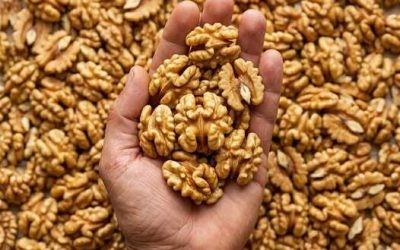
1 cup chopped pecans or walnuts
1 cup shredded coconut (optional)
1 banana, sliced (optional)
½ cup chopped peanuts (for topping)
Method: Layer, Pour, Bake, Cherish
1. Make the Syrup
Read more on the next page