As the chill of winter fades and the world begins to bloom with the promise of spring, garden enthusiasts turn their focus to the lush beauty of hydrangeas. These versatile and vibrant flowering shrubs are a favorite in many landscapes, providing an abundance of color and texture throughout the summer months. However, as eager as you may be to see your hydrangeas flourish, it’s crucial to take a thoughtful approach to their care, especially as April arrives.
Spring is a time of transition, and for hydrangeas, it can be a delicate period. The steps you take during this month can significantly impact the health and beauty of your plants as they prepare to burst into bloom. To ensure your hydrangeas reach their full potential, here are nine crucial things you should avoid doing this April. By steering clear of these common mistakes, you’ll set the stage for a stunning display come summer.
1. Don’t Prune Off This Year’s Flower Buds
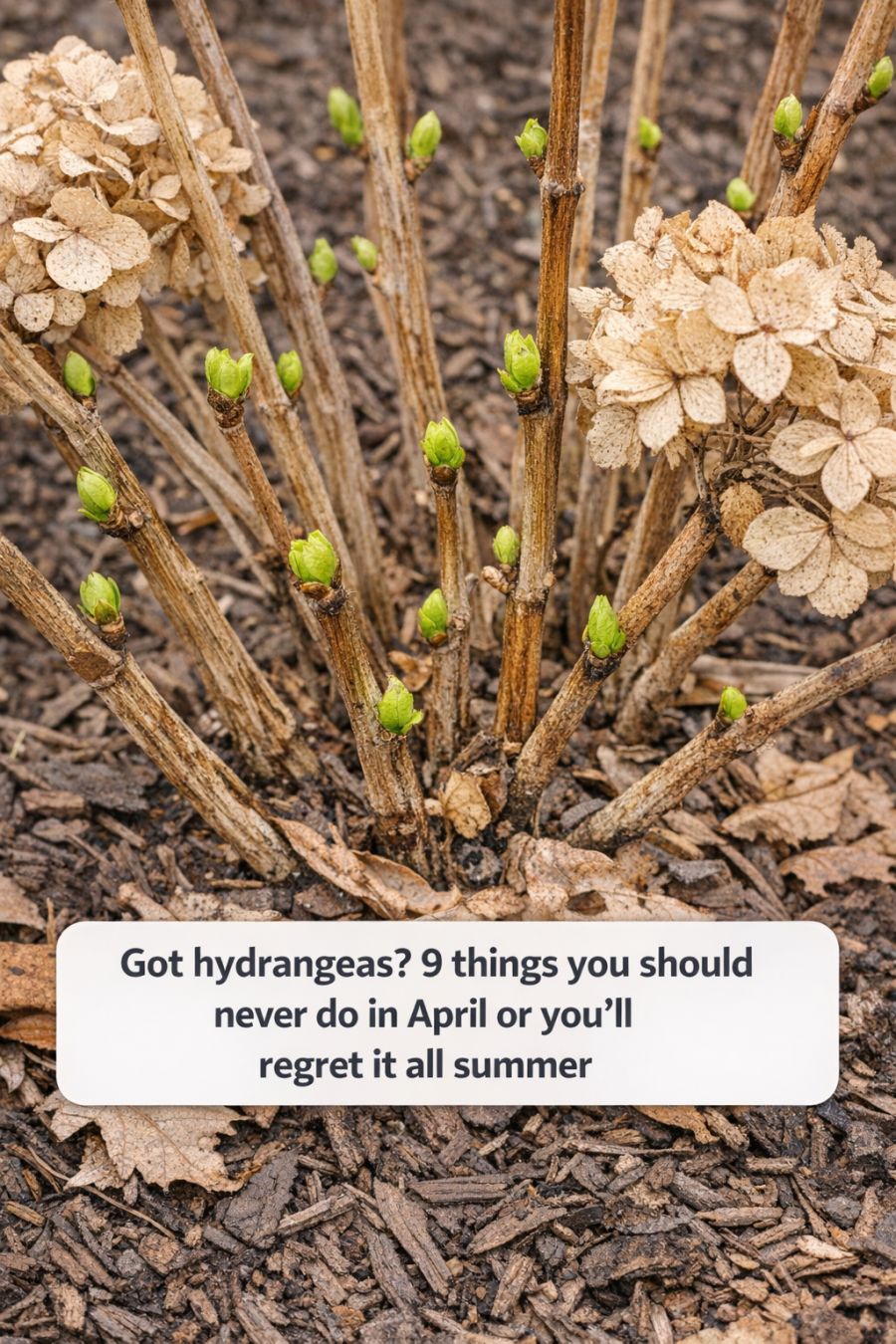
One of the most common mistakes gardeners make with hydrangeas in April is premature pruning. Many hydrangea varieties, such as the popular Hydrangea macrophylla, set their flower buds on old wood. This means that the buds for this year’s flowers were actually developed in the previous season. Pruning during this time can inadvertently remove these crucial buds, resulting in a lackluster bloom display.
Instead, wait until after your hydrangeas have bloomed to do any major pruning. This timing ensures that you’re not cutting off potential flowers. If you must tidy up your plants, focus on removing dead wood and damaged branches, being careful not to disturb the buds.
2. Never Strip Away All The Winter Mulch At Once
Mulch plays a critical role in protecting hydrangeas from the harsh conditions of winter. As April arrives and temperatures start to warm, it can be tempting to remove all the mulch at once to ‘let the garden breathe.’ However, this sudden removal can expose the roots to fluctuating temperatures and potential frost damage.
Instead, gradually remove the mulch over a period of several weeks. This approach allows the soil to warm up slowly and reduces the risk of shock. Additionally, leaving a thin layer of mulch can help retain moisture and suppress weeds, contributing to a healthier growing environment for your hydrangeas.
3. Don’t Blast Them With High-Nitrogen Fertilizer
While it might seem like a good idea to give your hydrangeas a nutrient boost as they wake up from their winter slumber, using a high-nitrogen fertilizer in April is not advisable. High levels of nitrogen can promote lush, green foliage at the expense of flower production, which is not the desired outcome for those looking to enjoy vibrant blooms.
Opt for a balanced fertilizer or one with a higher phosphorus content, which supports flowering. Apply the fertilizer sparingly and according to the package instructions, usually once in the spring and again in early summer. This will ensure your hydrangeas have the nutrients they need without over-stimulating leaf growth.
4. Never Let April Heatwaves Trick You Into Planting Too Early
April can be unpredictable, with warm spells that can tempt gardeners to start planting new hydrangeas. However, these early heatwaves are often followed by cold snaps, which can be detrimental to young plants. Planting too early can expose new hydrangeas to frost damage, which can stunt their growth or even kill them.
Wait until the threat of frost has passed before planting hydrangeas in your garden. Depending on your local climate, this may mean waiting until late April or even May. Use this period to prepare the planting area by ensuring well-drained soil and the right amount of sunlight for optimal growth.
Read more on the next page