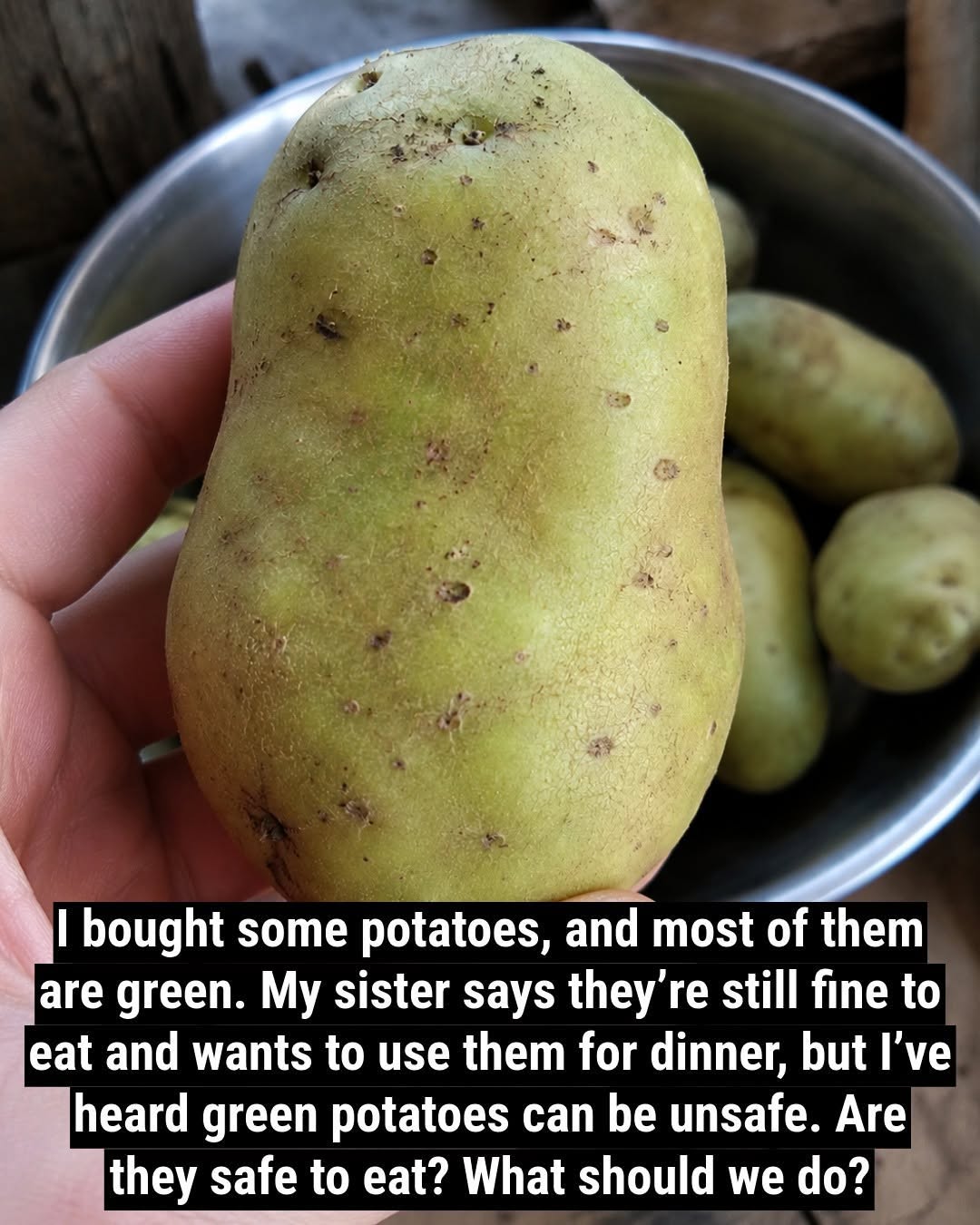
Prevention is far easier than triage. Store potatoes properly to avoid greening—and extend their shelf life.
Ideal Storage Conditions:
Factor
Recommendation
Why It Matters
Light
Store in complete darkness
Light triggers chlorophyll and solanine production
Temperature
45–55°F (7–13°C)
Cool but not cold; refrigeration converts starch to sugar, affecting flavor
Humidity
Moderate (not damp)
Prevents shriveling without encouraging mold
Ventilation
Use paper bags, mesh bags, or ventilated bins
Allows airflow; plastic traps moisture and accelerates spoilage
Location
Pantry, cellar, or cool cupboard—not on the counter
Countertops expose potatoes to light and warmth
What NOT to Do:
❌ Don’t store potatoes in clear plastic bags on the counter
❌ Don’t refrigerate raw potatoes (unless you plan to cook them immediately—cold temps alter texture)
❌ Don’t store near onions (they release gases that can speed up sprouting)
❌ Don’t wash before storage (moisture encourages mold; wash just before cooking)
🌙 Darkness hack: If your pantry has a window or light leak, store potatoes inside a cardboard box, paper bag, or opaque container.
🔄 What About Sprouted Potatoes?
Sprouting often accompanies greening—and raises similar concerns.
Handling Sprouted Potatoes:
Condition
Action
Small sprouts, firm potato, no greening
Cut away sprouts and eyes generously; potato is likely safe
Large sprouts + soft texture + greening
Discard—the potato is past its prime
Sprouts only, but potato is shriveled
Compost—it’s lost moisture and nutrients; not worth the risk
🌱 Fun fact: You can plant sprouted potatoes to grow your own crop! Just cut into sections with 1–2 eyes each, let them cure for a day, and plant in soil.
🥔 Does Cooking Destroy Solanine?
No. This is a critical point many people misunderstand.
Solanine is heat-stable: Boiling, baking, frying, or microwaving does not significantly break it down.
Peeling and trimming are your best defenses—not cooking.
🔬 Science note: Solanine begins to degrade only at temperatures above 340°F (170°C)—but by then, your potato is likely burnt. Prevention and preparation are far more effective than hoping heat will “fix” a green potato.
📊 Solanine Levels: How Much Is Too Much?
Potato Condition
Estimated Solanine Level
Risk Level
Fresh, unexposed potato
2–10 mg per 100g
None
Lightly greened skin, peeled well
10–30 mg per 100g
Very low
Extensively greened flesh
30–100+ mg per 100g
Moderate to high
Toxic threshold
~200–400 mg total intake
Potentially harmful
💡 Perspective: You’d need to eat several pounds of heavily greened potatoes in one sitting to approach toxic levels. But why risk it? A little caution goes a long way.
❓ FAQs: Your Potato Questions, Answered
Q: Can I eat green potato chips or fries?
A: Commercially produced chips and fries are made from potatoes screened for greening. If you make your own and notice green spots, trim them thoroughly before slicing.
Q: Does organic potatoes turn green less often?
A: No. Greening is triggered by light exposure, not farming method. Organic and conventional potatoes behave the same way in storage.
Q: Why do some potatoes turn green faster than others?
A: Thin-skinned varieties (like red or new potatoes) are more susceptible than thick-skinned russets. Damage during harvest or handling also accelerates greening.
Q: Can I compost green potatoes?
A: Yes! Solanine breaks down in compost. Just avoid feeding green potato scraps to pets or livestock, as they can be sensitive to glycoalkaloids.
Q: Do sweet potatoes turn green too?
A: Rarely. Sweet potatoes are from a different plant family (morning glory, not nightshade) and don’t produce solanine. However, they can still spoil or develop mold—store them similarly: cool, dark, dry.
Q: If I accidentally ate a green potato, should I worry?
A: If you had only a small amount and feel fine, you’re almost certainly okay. Symptoms (if they occur) usually appear within a few hours. If you experience nausea, vomiting, or unusual symptoms, contact a healthcare provider.
Q: How long do potatoes last in storage?
A: Properly stored:
New potatoes: 1–2 weeks
Mature potatoes: 2–3 months
Avoid storing near apples or bananas (ethylene gas speeds sprouting)
♻️ Reduce Waste, Stay Safe: Smart Potato Practices
You don’t have to choose between food safety and food waste. Try these strategies:
✅ Buy only what you’ll use in 2–3 weeks to avoid long-term storage issues
✅ Check potatoes at the store: Avoid bags with visible greening or sprouting
✅ Rotate your stock: Use older potatoes first (first in, first out)
✅ Repurpose slightly green potatoes: If peeled well, use in soups or stews where flavor is blended
✅ Freeze extras: Cook and mash potatoes, then freeze in portions for quick future meals
✅ Grow your own: Harvest as needed, and store in a dark root cellar or cool closet
🌍 Sustainability note: About 30% of food produced globally is wasted. Smart storage and mindful prep help you enjoy potatoes safely while reducing waste.
💙 A Compassionate Closing Thought
If you’ve ever tossed a green potato and felt a pang of guilt—or eaten one and worried afterward—please know:
🥔 You’re not alone. This is one of the most common kitchen dilemmas.
🥔 Caution is wisdom. Choosing safety over saving a few cents is always the right call.
🥔 Mistakes happen. If you accidentally ate a green spot and feel fine, you’re almost certainly okay. Breathe. Learn. Move on.
🥔 Food is meant to nourish, not stress. A little knowledge turns uncertainty into confidence.
Potatoes are humble, versatile, and deeply nourishing. With a few simple storage habits and a mindful eye, you can enjoy them safely for years to come.
And if you do find a green one? Peel with care, trust your senses, and remember: it’s just a potato. You’ve got this.
🧭 The Bottom Line
Potatoes turn green due to light exposure, which triggers chlorophyll (harmless) and solanine (a natural toxin).
Remember:
🌿 Green = chlorophyll (safe) + possible solanine (caution)
🔪 Peel deeply and remove all green areas to reduce risk
🗄️ Store potatoes in a cool, dark, well-ventilated place to prevent greening
🚫 Cooking does not destroy solanine—preparation does
💙 When in doubt, throw it out. Your health is worth more than a potato
So the next time you spot a green spud, don’t panic. Assess. Peel wisely. Or compost without guilt.
However you choose to handle it, may your meals be safe, satisfying, and stress-free.
Have you ever dealt with a green potato? What’s your best tip for storing produce to reduce waste? Share your kitchen wisdom respectfully in the comments below! 🥔
Read more on the next page