What Is That White String in an Egg …Here’s Why It’s Actually a Good Sign
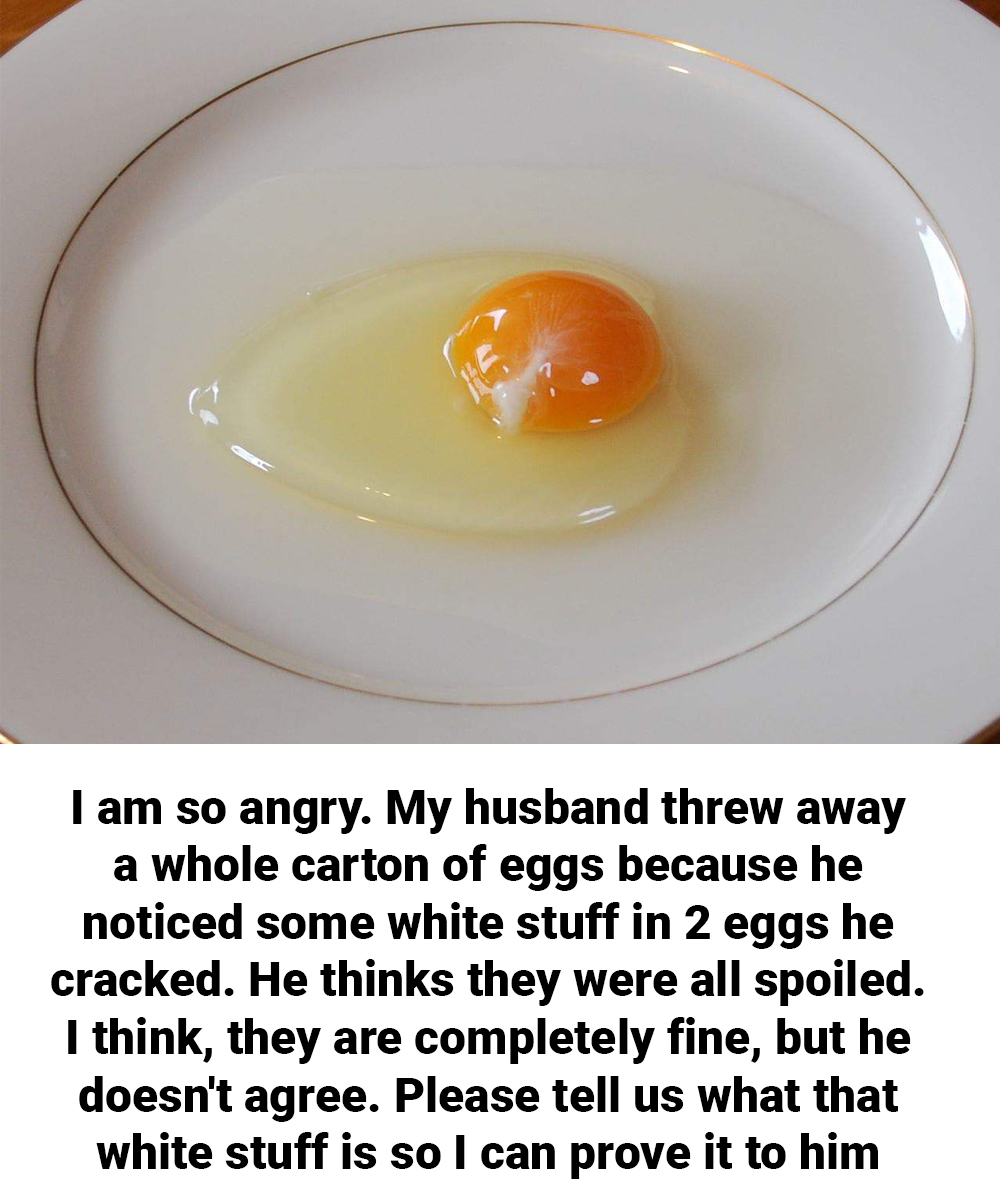
When you crack open an egg, you might notice a thin, white, stringy strand attached to the yolk. At first glance, it can look strange—or even a little concerning. Many people assume it means the egg has gone bad or is defective and remove it before cooking.
In reality, that strand is completely normal, harmless, and often a sign that the egg is fresh.
Meet the Chalaza: The Egg’s Natural Stabilizer
That white string is called the chalaza, a naturally occurring protein structure found inside eggs. Its job is to keep the yolk centered within the egg white.
Think of the chalaza as a built-in stabilizer. As the egg moves, it prevents the yolk from bumping into the shell and becoming damaged. Most eggs contain two chalazae—one on each side of the yolk—though only one may be clearly visible after cracking the shell.
What the Chalaza Says About Freshness
The appearance of the chalaza can actually tell you something about the egg’s quality. In fresh eggs, it looks thicker, firmer, and more rope-like. As eggs age, the chalaza gradually thins and becomes less noticeable.
So if you spot a well-defined white strand, it’s usually a good sign that the egg is fresh and properly stored.
Is It Safe to Eat?
Yes—completely. The chalaza is made of the same proteins found in egg whites, making it perfectly safe to consume. During cooking—whether you’re frying, scrambling, or baking—it blends in and essentially disappears.
There’s no need to remove it unless you’re preparing dishes that require an ultra-smooth texture, such as custards, puddings, or delicate sauces. Otherwise, it won’t affect taste, texture, or quality.
Read more on the next page