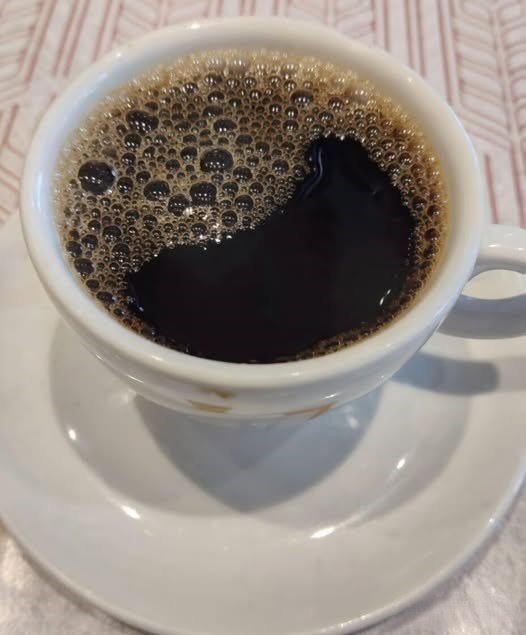
For millions of people around the world, mornings don’t officially begin until that first sip of coffee touches their lips. The aroma curls through the kitchen like a slow-moving wave, wrapping around senses and memory alike. The warmth seeps into your hands through the cup, and that initial jolt of caffeine promises alertness, comfort, and focus all at once. To some, coffee is a necessity, a ritual, or even a lifeline; to others, it is an art, a sensory experience, and a quiet moment before the day explodes into schedules, obligations, and the ceaseless hum of life.
Coffee is more than a drink. It’s a cultural connector, a daily habit that has shaped societies, fueled revolutions, and inspired writers, scientists, and artists. Its influence stretches from bustling cafés in Paris to quiet kitchens in the suburbs, from office break rooms in Tokyo to the streets of Bogotá where beans are harvested at sunrise. Yet while many savor its taste or rely on its effects, few fully understand the intricate science hiding in a simple cup. The compounds in coffee—caffeine, antioxidants, polyphenols, and diterpenes—interact with our bodies in ways both beneficial and potentially harmful. How coffee affects you depends not just on how much you drink, but when, why, and how you drink it.
The Hidden Power in Every Bean
Coffee is a botanical marvel. Roasted beans contain hundreds of biologically active compounds. Polyphenols combat oxidative stress, diterpenes influence cholesterol metabolism, and antioxidants work quietly to protect cells from daily wear and tear. “Coffee is one of the richest sources of antioxidants in the Western diet,” says Dr. Laura Kim, a clinical nutritionist in Boston. “These compounds help reduce inflammation, protect against oxidative damage, and may lower the risk of chronic diseases like diabetes, Alzheimer’s, and heart disease.”
Then there’s caffeine, the molecule that powers mornings worldwide. Caffeine blocks adenosine, a neurotransmitter that signals sleepiness, while simultaneously boosting dopamine and norepinephrine—chemicals that enhance alertness, motivation, and focus. Within fifteen minutes, that first sip transforms fog into clarity. Researchers have linked moderate coffee consumption to reduced risk of depression, liver disease, Parkinson’s, and even heart failure. Some studies even suggest that it may contribute to longer lifespan.
Yet coffee is not magic. Its benefits are dose-dependent. The sweet spot, most experts agree, is one to two cups daily, providing roughly 100–200 milligrams of caffeine. More than 400 milligrams per day—about four standard cups—can trigger side effects: jitteriness, anxiety, racing thoughts, and elevated blood pressure. Individual tolerance varies widely. Dr. Michael Ortiz, an endocrinologist, notes, “Some people can drink espresso at 8 p.m. and sleep fine. Others feel shaky after half a cup. The key is understanding your body’s rhythm.”
Timing Is Everything
Read more on the next page