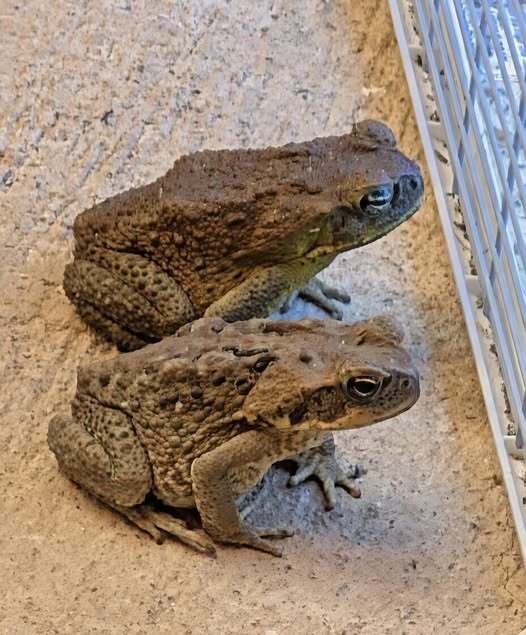
A toad appearing in your yard or even inside your home may seem unusual at first, but in most cases, it is simply responding to its basic survival needs. Toads are naturally drawn to environments that provide moisture, shelter, and a steady supply of insects to feed on. Gardens, damp soil, shaded corners, and areas near outdoor lighting are especially attractive to them, as lights tend to draw insects at night. After rainfall or during humid evenings, these amphibians become more active, making sightings more common. Despite their unexpected presence, toads are harmless creatures. They are shy, non-aggressive, and far more interested in avoiding humans than interacting with them. Their quiet presence often goes unnoticed unless they are accidentally discovered.
Toads thrive in cool, moist environments where they can remain hidden during the day and emerge at night to hunt. If you notice a toad returning regularly, it likely means your outdoor space offers the ideal conditions for its survival. This is not something to be concerned about—in fact, it is often a positive sign. Toads feed on common pests such as mosquitoes, flies, beetles, and other small insects that can otherwise become a nuisance. By naturally controlling these populations, they help maintain balance in the environment without the need for chemical solutions. For gardeners, this can be especially beneficial, as toads contribute to healthier plants and soil simply by being part of the ecosystem.
The presence of a toad can also indicate that your surroundings are environmentally healthy. Amphibians are particularly sensitive to pollution, chemicals, and changes in habitat conditions. Because of this, they tend to inhabit areas where the ecosystem is relatively balanced and free from harmful substances. If a toad has chosen your yard as its home, it suggests that the environment supports life in a sustainable way. This can be reassuring, as it reflects a level of natural harmony that benefits not only wildlife but also the overall quality of your living space. In this sense, a toad is more than just a visitor—it is a subtle indicator of ecological well-being.
Beyond their practical role in nature, toads have long held symbolic meaning in various cultures and traditions. Their life cycle is often seen as a powerful representation of transformation, as they begin life in water as tadpoles and gradually adapt to living on land. This process mirrors themes of growth, change, and resilience. In some belief systems, toads are associated with renewal and the ability to navigate life’s transitions. Their presence may be interpreted as a reminder that change is a natural part of life and can lead to new opportunities and personal development.
Read more on the next page