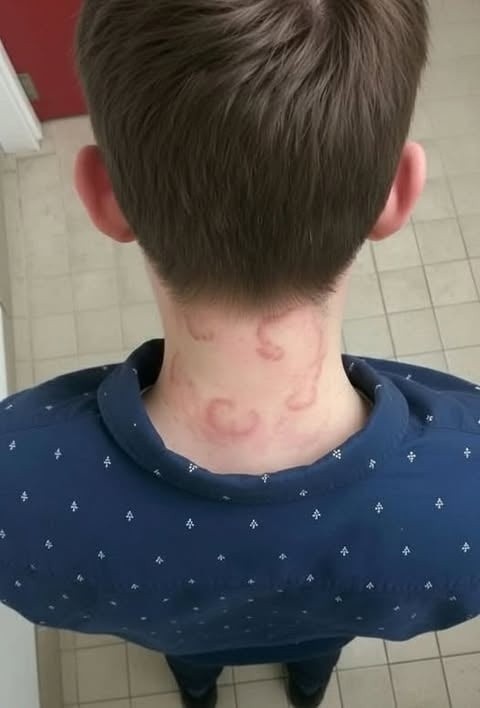
Ringworm is a common fungal skin infection that spreads easily and often looks like a thin red circle on the skin. Despite the name, there are no worms involved. The condition comes from dermatophyte fungi that live on skin, hair, and nails, and it can pass between people, animals, and shared items. While ringworm is usually mild, untreated infections can linger and spread to new body sites or household members. The good news is that most skin infections respond well to over-the-counter antifungal creams and simple hygiene steps. However, scalp, nail, or widespread infections need prescription care. Understanding how ringworm starts, how it travels, and how to treat it at home helps you clear it sooner and avoid passing it on.
What Is Ringworm and How Does it Spread?
Ringworm, also called tinea, is a superficial fungal infection that feeds on keratin in the outer layers of skin, hair, and nails. The most common culprits are species of Trichophyton, Microsporum, and Epidermophyton. These fungi thrive in warm and moist environments and can live on skin surfaces and objects like towels and combs. People catch ringworm through close skin contact, by touching contaminated items, or through contact with infected animals. Pets can be silent carriers, so fur loss in a cat or dog warrants attention. Because the infection stays on the surface, healthy immune systems usually contain it, yet spread within households is frequent without treatment and cleaning.
On the body, it favors exposed or sweaty areas. On the feet, it can show up between the toes after hours in tight shoes. On the scalp, it spreads in schools and sports. Understanding these pathways helps you cut transmission while you treat the rash. Incubation usually spans a few days to two weeks. People remain contagious until treatment has begun for 48 hours. Fungal spores may survive on surfaces for weeks, especially in humid rooms. Crowded housing and shared sports gear increase the spread. Consistent cleaning and early treatment reduce household outbreaks. Remind children not to share hats.
Read more on the next page